
| TL;DR Seasonal HVAC maintenance keeps your home comfortable and your system efficient year-round. Spring is for AC tune ups, summer for airflow and refrigerant checks, fall for furnace prep, and winter for safe heating performance. Follow rules like the 3-minute AC reset, 20-degree cooling limit, and $5000 repair rule. Basic DIY tasks help, but pros should handle full tune ups. Haply makes scheduling, tracking, and managing HVAC care effortless. |
Introduction
Seasonal HVAC maintenance isn’t just a checklist you tick once a year—it’s the answer to a whole bunch of questions homeowners constantly Google: What is HVAC maintenance? What’s the HVAC full form? What are the four types of maintenance in HVAC? Is HVAC maintenance easy, or should I always call a pro?

Source: Tri-tech energy
This article weaves those questions directly into a seasonal guide so your readers learn what to do in summer, fall, winter, and spring, and understand HVAC maintenance services, HVAC tune ups, HVAC service checklists, and HVAC maintenance cost along the way.
What Is HVAC, Really, and Why Does HVAC Maintenance Matter?
Before jumping into the seasonal checklist, it’s important to understand why HVAC upkeep matters. A well-maintained system runs more efficiently, lasts longer, and prevents most of the common heating and cooling issues homeowners face each year.
| Did you know? Regular HVAC maintenance can reduce unexpected breakdowns by up to 95%, according to the U.S. Department of Energy. Preventive tune ups also help systems maintain up to 30% more energy efficiency compared to neglected units. |
Let’s start with the basics people always ask:
What is the full form of HVAC?
HVAC stands for Heating, Ventilation, and Air Conditioning.
Why is AC called HVAC? Does HVAC affect AC?
AC (air conditioning) is actually just one part of an HVAC system. HVAC covers the entire indoor comfort ecosystem: heating in winter, cooling in summer, and ventilation all year. So yes, when you talk about AC performance, you’re really talking about how well your overall HVAC system is designed, maintained, and balanced.
What is HVAC maintenance?
It’s the routine process of cleaning, inspecting, testing, and tuning all the system’s major parts—filters, coils, blower, thermostat, ducts, safety controls, and more—so your home stays comfortable and your energy bills stay reasonable.
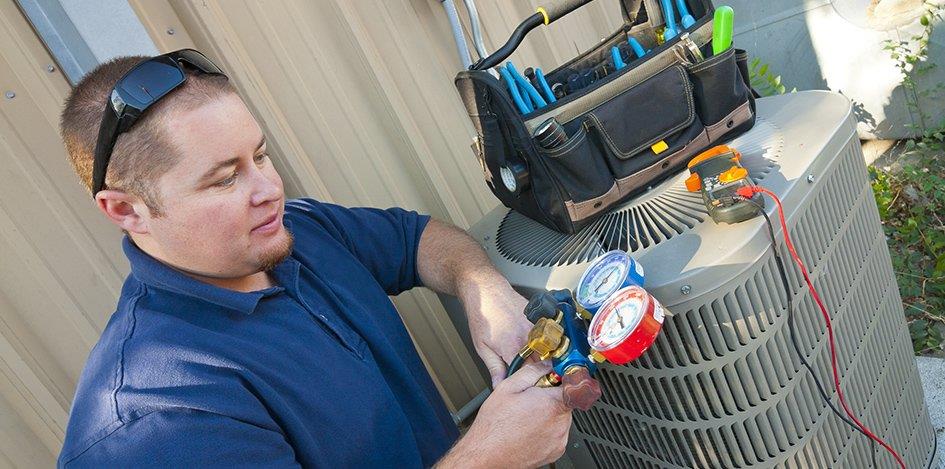
This is also where the classic “What are the 4 components of HVAC?” or “What are the 4 elements of AC?” type questions come in. In a typical split system, the major components are:
- Compressor
- Condenser
- Evaporator coil
- Air handler/blower
Types of HVAC Maintenance (And Which Ones Matter for Homeowners)
If you’ve ever searched What are the four types of maintenance HVAC? or What is main maintenance?, you’ll see a lot of jargon. In simple terms, the common categories are:
- Preventive maintenance – scheduled tune-ups and inspections to keep things running smoothly
- Corrective maintenance – repairs when something breaks
- Predictive / condition-based maintenance – using data and sensors to act when performance drops
In broader facility management, people sometimes list seven types of maintenance (preventive, corrective, predictive, condition-based, scheduled, emergency, proactive). For a homeowner, though, the main maintenance to care about is preventive maintenance—regular HVAC tune ups and seasonal checkups that avoid emergencies.
Another pair of questions that often arise when deciding whether to repair or replace are:
What is the $5000 rule (or $5000 AC rule)?
Multiply the age of your unit by the repair cost. If the result is more than $5000, replacement is usually a better long-term decision.
What is the 10 rule in maintenance?
If annual repair costs exceed 10% of the price of a new system, it’s generally better to invest in a new unit rather than keep patching the old one.
These rules matter most when your system is aging and you’re looking at hefty repair estimates.
When people ask What are HVAC units?, they usually mean the different configurations: furnaces, central ACs, heat pumps, ductless mini-splits, rooftop packaged units, etc.—all of which benefit from consistent maintenance.
How Long Does an HVAC System Last?
Another common question: What is the average life of HVAC?
Most residential HVAC systems last 12–20 years, depending on:
- How often you do preventive maintenance
- How heavily the system is used
- Whether it was properly sized and installed
- Environmental conditions (dust, humidity, extreme heat/cold)
Regular HVAC maintenance services are the simplest way to push your system toward the higher end of that range.
Seasonal HVAC Maintenance Checklist: Spring, Summer, Fall & Winter
Now let’s answer the big one: What is the HVAC service checklist I should follow each season?
Below, each season’s section also quietly answers practical PAAs like Is HVAC maintenance easy?, What are common HVAC problems?, What is the 2-foot rule in HVAC?, What is the 3-minute rule for AC?, and What is the 20-degree rule for HVAC?
Spring: Tune Up Before the Heat Arrives
Spring is the perfect time to get ahead of summer. When people ask What is included in an HVAC tune up?, most of that happens right here in spring.
Homeowner tasks (DIY-friendly)
These are the parts where people discover that HVAC maintenance is easy at a basic level:
- Replace or clean air filters
- Vacuum and wipe down supply and return vents
- Clear leaves, branches, and dirt at least 2 feet around the outdoor unit (this informal clearance guideline is often called the “2-foot rule in HVAC”)
- Test your thermostat and set a sensible schedule
Professional HVAC tune up services typically include:
- Cleaning the evaporator and condenser coils
- Checking refrigerant levels & line condition
- Inspecting electrical connections and tightening loose ones
- Lubricating motors and moving parts
- Inspecting the blower assembly and fan
- Flushing and cleaning the condensate drain line
- Conducting overall performance and safety tests
This professional HVAC service checklist dramatically cuts down on common HVAC problems like poor cooling, frozen coils, short cycling, and high energy usage.
Summer: Keep the System Efficient Under Load
By summer, your system is under stress. People often search questions like Why is my AC set at 74 but reads 78? or How to know gas is low in AC?—these are typically maintenance issues.

DIY summer care:
- Change filters every 30–60 days
- Visually inspect the outdoor unit weekly and remove any new obstructions
- Make sure indoor vents are open and not blocked by furniture or curtains
- Watch for signs of low refrigerant (“gas”): poor cooling, ice on the lines, hissing noises, or higher-than-usual energy bills
This is where two famous rules come in:
- 3-minute rule for AC – Avoid turning the AC back on within 3 minutes of switching it off; this protects the compressor.
- 20-degree rule for HVAC – As a general guideline, your AC can cool indoor temperatures to about 20°F (≈11°C) below the outdoor temperature. So if it’s 95°F outside, expecting a steady 65°F indoors is both unrealistic and hard on your system.
If you consistently see a big gap between the set temperature and the actual room temperature, it’s usually time to call HVAC maintenance services for deeper diagnostics: refrigerant checks, duct inspections, or component repairs.
Fall: Shift Focus to Heating
In fall, the frequently searched questions shift from cooling concerns to heating, like Does HVAC affect AC and heating equally? or What are the HVAC roles and responsibilities in winter?
Put simply: the role of your HVAC system is to maintain thermal comfort, air quality, and safety all year round. Fall maintenance sets the stage for that in winter.
Homeowner tasks:
- Change the filter again as you switch to heating
- Turn the furnace on early in the season to test it (don’t wait for the first cold night)
- Check that all vents are open and airflow is uniform across rooms
Professional fall service often includes:
- Inspecting burners and cleaning them if needed
- Checking the heat exchanger for cracks or damage
- Testing for carbon monoxide leaks
- Inspecting gas connections and pressure
- Verifying proper ignition and flame stability
- Calibrating and testing safety controls and limit switches
These tasks prevent dangerous and frustrating problems like CO leaks, ignition failures, and loud, banging startup sounds.
Winter: Protect Comfort and Safety
By winter, the system is doing heavy lifting—running for long periods every day. It’s also when homeowners wonder: Is HVAC always electric?
The answer: No. Many systems use gas furnaces combined with electric blowers or heat pumps, which is another reason why winter maintenance is critical for safety as well as comfort.
Winter homeowner checklist:
- Keep filters clean (still every 30–60 days)
- Ensure nothing blocks vents or returns
- For heat pumps, gently clear snow or ice from around the outdoor unit
- Watch for burning smells, strange noises, or frequent on/off cycling
If your unit is older, winter is also when you might revisit the $5000 rule and 10% rule to see whether repair still makes sense. These simple decision tools help households weigh HVAC maintenance cost vs replacement.
Is HVAC Maintenance Easy or Should You Always Call a Pro?

A very common query is “Is HVAC maintenance easy?”
- Easy DIY tasks:
- Changing air filters
- Cleaning vents and grilles
- Keeping the outdoor unit clear (2-foot rule)
- Monitoring thermostat schedules and behavior
- Tasks best left to professionals:
- Opening sealed panels and working near high-voltage components
- Checking and handling refrigerant
- Combustion analysis and gas connection checks
- Detailed diagnostics for airflow, static pressure, and temperature splits
So yes, basic HVAC maintenance has easy steps any homeowner can do—but a full HVAC tune up or troubleshooting deeper issues should be done by a qualified technician.
HVAC Maintenance Cost: What Should You Expect?
Readers searching for How much does HVAC maintenance cost? are usually comparing simple service visits vs service contracts. On average:
- Basic one-time tune up: $75–$150
- Seasonal maintenance visit (cooling or heating): $150–$350
- Deep cleaning or heavy repair: $120–$500+
- Yearly maintenance plan: $150–$600 per year, depending on system type and coverage
These numbers are small compared to large repair bills or full system replacement, especially when you consider that maintenance stretches your average HVAC lifespan and keeps energy use under control.
Pulling It All Together
If you step back and look at all the questions homeowners ask—
- What is HVAC maintenance?
- What are the four types of maintenance HVAC?
- What is included in an HVAC tune up?
- What is the HVAC service checklist?
- What is the average life of HVAC?
- Is HVAC maintenance easy?
- What is the $5000 rule in HVAC?
- What is the 3-minute rule for AC?
- What is the 20-degree rule for HVAC?
- What are common HVAC problems?
—the answer to all of them is essentially the same strategy:
- Do simple DIY maintenance regularly.
- Schedule professional HVAC maintenance services twice a year (spring & fall).
- Use basic decision rules (like $5000 and 10%) to know when to stop repairing and start replacing.
How Haply Makes HVAC Maintenance Stress-Free, Smart, and Affordable
Keeping up with seasonal HVAC maintenance doesn’t have to feel overwhelming. With Haply, you get a modern, app-powered way to manage your home’s comfort systems without the usual guesswork. Haply helps you:
Book Trusted HVAC Maintenance Services—Anytime, Anywhere
Find vetted, reliable technicians for seasonal tune ups, emergency visits, or full-system servicing—right from your phone.
Follow a Ready-Made HVAC Service Checklist
No more wondering “Did I miss something this season?” Haply tracks your spring, summer, fall, and winter maintenance tasks and reminds you at the right time.
Track HVAC Maintenance Costs with Full Transparency
Get upfront pricing, avoid surprise charges, and compare service plans so you know exactly what you’re paying for.
Access Expert Advice Based on Your System’s Condition
Whether it’s the $5000 rule, refrigerant issues, airflow problems, or thermostat misreads, Haply helps you understand when to repair, tune up, or replace your unit.
Store Your Entire HVAC History in One Place
Service reports, technician notes, filter change history, warranty info—everything stays organized inside your Haply profile.
Get Smarter, Predictive Maintenance (Coming Soon)
With planned monitoring features, Haply will alert you when performance drops so you can fix issues before they turn into expensive repairs.
Your Home Comfort, Managed Without the Hassle
HVAC systems run all year—but your stress doesn’t have to.
With Haply, you get reliable service, simple scheduling, transparent costs, and an easier way to protect your HVAC investment.
Quick Seasonal HVAC Maintenance Checklist
Spring (Prepare for Cooling Season)
- Change/clean air filters
- Clear 2 feet of space around outdoor AC unit
- Clean supply/return vents
- Test thermostat & cooling mode
- Professional coil cleaning
- Check refrigerant levels
- Inspect electrical connections
- Flush condensate drain line
Summer (Maximize Cooling Efficiency)
- Replace filters every 30–60 days
- Keep vents open & unblocked
- Check outdoor unit weekly for debris
- Watch for signs of low refrigerant (warm air, hissing, ice buildup)
- Follow 3-minute AC rule before restarting
- Follow 20-degree cooling rule for realistic temperature settings
- Call a pro if your AC reads higher than the set temperature
Fall (Prepare for Heating Season)
- Replace filter
- Test furnace early
- Clean vents & registers
- Professional burner cleaning
- Inspect heat exchanger
- Test carbon monoxide levels
- Check ignition system & gas connections
- Calibrate blower motor belts
Winter (Ensure Safe & Steady Heating)
- Replace filters monthly
- Keep heat pump free of snow/ice
- Monitor for unusual smells/noises
- Ensure good airflow in all rooms
- Reassess repair vs. replace using the $5000 rule
- Schedule professional diagnostics if the system short cycles or struggles to heat
Conclusion
Seasonal HVAC maintenance isn’t just about preventing breakdowns—it’s about keeping your home comfortable, safe, and energy-efficient every day of the year. By understanding what HVAC maintenance includes, following a seasonal HVAC service checklist, and knowing simple rules like the $5000 rule or the 20-degree cooling limit, homeowners can make smarter decisions about caring for their systems.
A consistent routine—filters replaced every few weeks, spring AC tune-ups, fall furnace inspections, and periodic performance checks—extends system life, reduces energy waste, and shields you from expensive surprises. Most of the common HVAC problems people face are entirely preventable with basic upkeep and timely professional service.
And when managing schedules or comparing HVAC maintenance costs becomes overwhelming, Haply makes it easy. From booking trusted technicians to tracking tune-ups and storing system information, the app ensures you never miss a maintenance cycle again. Seasonal upkeep doesn’t have to be complicated—especially when you have the right tools, checklists, and support.
With the right approach and the right partner, your HVAC system will run more efficiently, last longer, and keep your home comfortable through every season.
| Summary HVAC systems work throughout the year, which makes seasonal maintenance essential for smooth performance, lower energy bills, and longer equipment life. HVAC stands for Heating, Ventilation, and Air Conditioning, and effective maintenance ensures that all four major components—the compressor, condenser, evaporator coil, and air handler—stay clean and functional. Homeowners often ask what HVAC maintenance includes, how often it’s needed, or what common rules like the $5000 rule and 20-degree rule really mean. Seasonal maintenance addresses these concerns by offering a structured, proactive approach. In spring, professional HVAC tune-ups prepare the cooling system for summer. This includes coil cleaning, refrigerant checks, electrical inspections, and basic tasks like replacing filters and clearing debris. Summer maintenance focuses on maintaining efficiency under heavy usage—monitoring refrigerant levels, keeping vents open, following the 3-minute AC rule, and watching for cooling issues like the thermostat reading higher than the set temperature. In fall, attention shifts to the heating system. Technicians inspect burners, heat exchangers, ignition systems, and carbon monoxide risks, ensuring heating is safe before winter arrives. By winter, consistent monitoring becomes essential: changing filters, clearing snow around heat pumps, watching for unusual noises, and evaluating repair vs. replace decisions using the $5000 or 10% rules. Regular HVAC maintenance is simple at the DIY level—filters, vents, and basic cleaning—but full tune-ups should be handled by professionals. Routine care also reduces common HVAC problems such as frozen coils, low refrigerant, short cycling, and uneven temperatures. To simplify this process, Haply offers a seamless way to schedule HVAC maintenance services, track your tune-ups, manage costs, and organize your system’s service history. With structured seasonal care and the right support, homeowners can maintain comfort, efficiency, and peace of mind all year long. |
FAQ: Seasonal HVAC Maintenance
1. How often should HVAC be serviced?
Twice a year—AC tune up in spring and heating tune up in fall.
2. What is included in a seasonal HVAC maintenance visit?
Coil cleaning, refrigerant checks, electrical testing, blower inspection, thermostat calibration, drain cleaning, and safety checks.
3. What is the best month for HVAC maintenance?
Spring for cooling systems, fall for heating systems.
4. What is the 20-degree rule for HVAC?
Your AC can typically cool indoor air to about 20°F below outdoor temperature.
5. What is the 3-minute rule for AC?
Always wait 3 minutes before restarting your AC to protect the compressor.
6. How do I know if my AC refrigerant (gas) is low?
Warm air, ice on the lines, hissing sounds, and higher electric bills.
7. What is the $5000 HVAC rule?
If repair cost × system age > $5000, replacement is usually more cost-effective.
8. What are the most common HVAC problems?
Dirty filters, low refrigerant, frozen coils, short cycling, thermostat issues, clogged drain lines.
9. Is HVAC maintenance easy to do myself?
Basic tasks like filter changes are easy; full tune ups and diagnostics should be handled by professionals.
10. How long does a typical HVAC system last?
12–20 years, depending on maintenance and usage.
Subscribe to our email newsletter to get the latest posts delivered right to your email.
Comments